$20M
Initial Raise Target
I co-founded ZEVO in 2010 on a bet that internet-native TV would combine live programming, on-demand viewing, and commerce. I led product vision, roadmap, and fundraising through meetings with Oak, Norwest, TCV, and Ashton Kutcher’s team.
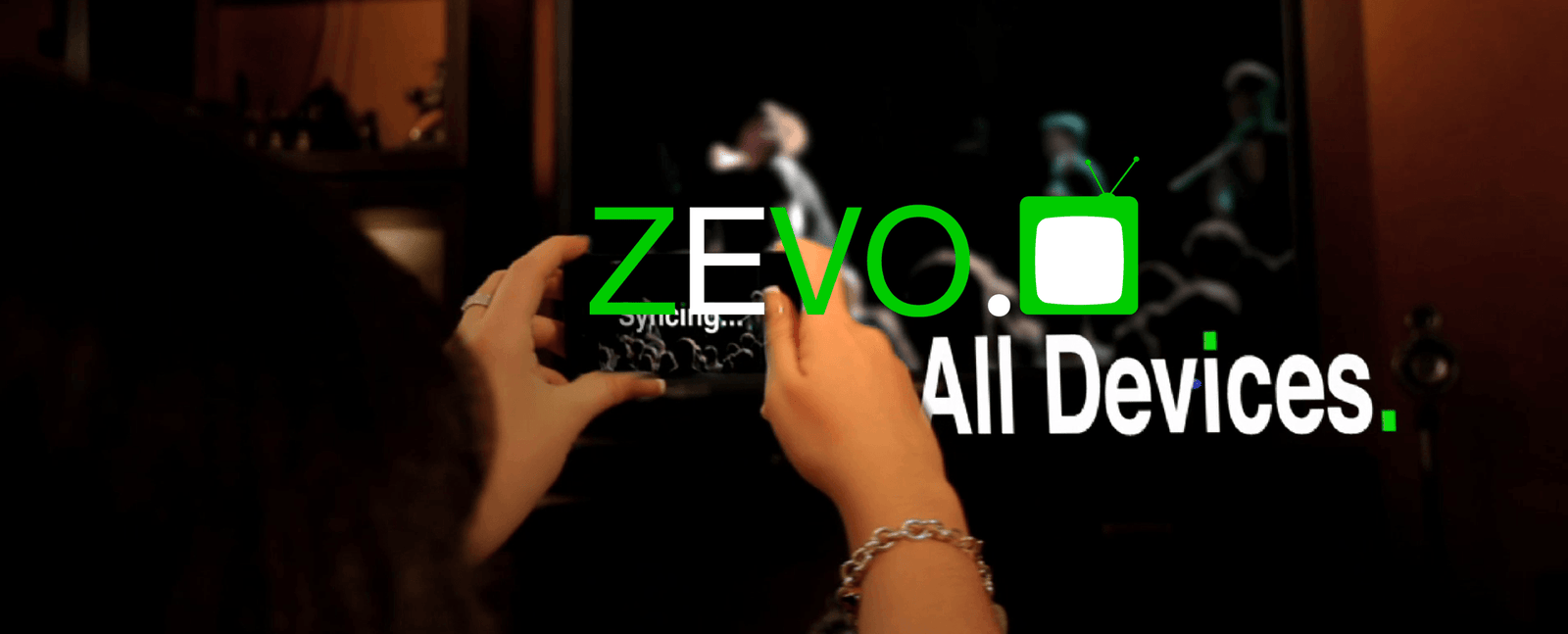
ZEVO was my attempt to build an internet-native TV model before streaming patterns were mature. The concept combined live channels, on-demand content, and in-content commerce with synchronized multi-device interaction. We built a compelling narrative and early traction signals, but timing and capital risk made fundraising conversion hard.


The challenge was not imagination, it was de-risking. ZEVO asked investors to underwrite both platform and content complexity before there was mainstream proof that the market would adopt this model at scale. We had a coherent vision and early engagement, but no simple traction shortcut to close institutional capital.
I owned end-to-end product strategy, concept validation, roadmap sequencing, investor communication, and cross-functional coordination across the startup build effort.
ZEVO only worked if the product, technology, and business model all held together. I defined the core experience and turned it into a roadmap builders and investors could follow without losing the plot.
ZEVO didn't produce a liquidity event, but it produced durable leadership and product judgment that I still use in enterprise delivery work.
The challenge was not imagination, it was de-risking. ZEVO asked investors to underwrite both platform and content complexity before there was mainstream proof that the market would adopt this model at scale. We had a coherent vision and early engagement, but no simple traction shortcut to close institutional capital.
The raise didn't close. While we were in market, Netflix, Hulu, and the major networks moved aggressively into streaming and eliminated the white space we were pitching into. Then Ashton Kutcher pulled out, and the institutional case collapsed with it. ZEVO didn't fail because the thesis was wrong. It failed because the market caught up before the capital did. That experience is what led directly to HBO and DIRECTV, where I got to work on the streaming infrastructure from the inside.
ZEVO Product video

I owned end-to-end product strategy, concept validation, roadmap sequencing, investor communication, and cross-functional coordination across the startup build effort.
Defined one coherent product story across TV, web, and mobile.
Sequenced roadmap milestones from concept demo to planned launch.
Build demo narrative and stress-test strategic assumptions with advisors.
Run tier-1 investor conversations and iterate story against objection patterns.
Evaluate capital reality vs. risk and execute disciplined shutdown decision.
The immediate goal was not feature sprawl. It was proving a coherent internet TV model: shared identity, synchronized multi-device behavior, and commerce-ready interaction primitives.
ZEVO didn't produce a liquidity event, but it produced durable leadership and product judgment that I still use in enterprise delivery work.
Vision-heavy strategy with limited external proof.
I built a clear model for internet-native TV across live, on-demand, and interactive commerce, then translated that model into product requirements and roadmap decisions.
Stage-gated strategy with explicit proof checkpoints.
Large integrated bet across product, platform, and content.
I pressure-tested the strategy in investor and advisor rooms, using product narrative and demo artifacts to surface objections, risk perceptions, and viability gaps.
Sequenced risk reduction before scaling ambition.
Higher dependency on narrative persuasion for capital conversion.
When capital conversion remained uncertain against risk profile and timing, I chose to shut the company down and carry forward the lessons instead of extending runway without a credible path.
Faster, clearer go/no-go calls grounded in evidence.
A quick look at two studies with shared themes in scale, operating model, and brand velocity...
A revenue platform and operating model that made DIRECTV offers faster, clearer, and repeatable.
Product management and solution architecture that turned transformation strategy into shippable behavior.